Photographing Empty Spaces and Quiet Moments
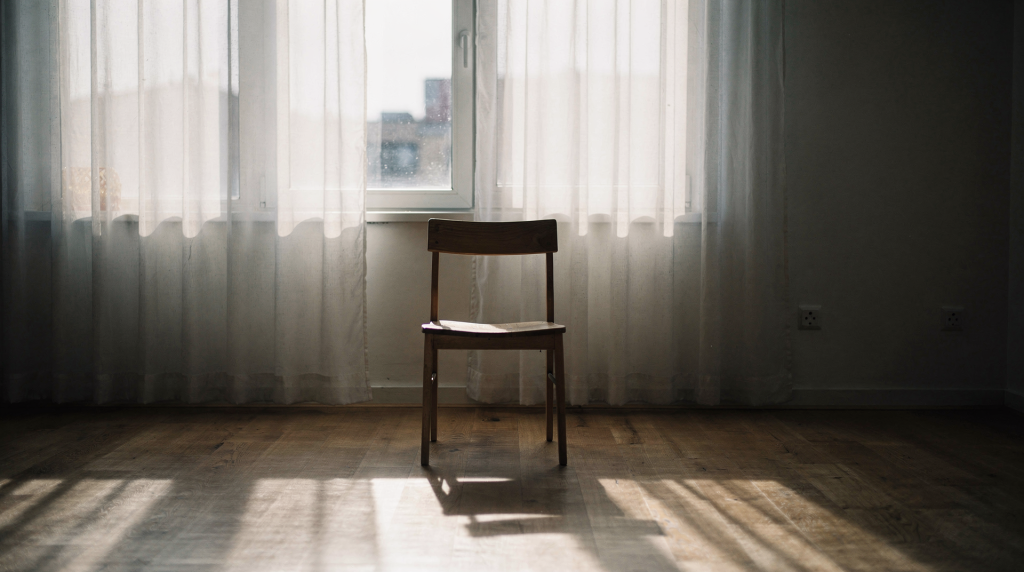
Empty rooms are rarely empty on film. They hold light, texture, memory, and the small visual cues that make a space feel inhabited even when no one is there. In architectural and interior film photography, the goal isn’t to fill the frame—it’s to let stillness do the work. This guide is about photographing quiet interiors and vacant spaces with intention, using film, natural light, and careful composition to create images that feel restrained, believable, and emotionally precise.
Why empty spaces are worth photographing
When you remove people from the frame, the focus shifts from activity to atmosphere. The viewer notices the grain of plaster, the edge of a curtain, the way morning light lands on a floorboard, or the silence implied by an untouched chair. That stillness is powerful in editorial work, heritage documentation, and real estate storytelling because it allows the building itself to become the subject. On film, this effect deepens—the organic grain and soft tonal transitions give the emptiness a physical presence that digital cleanliness often misses. The room doesn’t just look empty; it feels paused.
What “quiet” means in interior photography
Quiet does not mean dull. It means the frame has enough breathing room for materials, light, and structure to speak. A quiet image usually has:
- Clear visual hierarchy
- Controlled contrast
- Minimal distractions
- Intentional negative space
- A sense of calm, pause, or suspension
For film photography, quiet images also benefit from tonal softness and grain structure that support atmosphere without making the frame feel overworked. The slight imperfections of analog—the way highlights roll off gently, the subtle texture in the shadows—reinforce the mood rather than fight it. When I load a roll of Portra or a black-and-white stock, I’m already thinking about how the emulsion will interpret the silence, not just document it.
The best situations for photographing empty spaces
Some spaces are naturally stronger when photographed empty. Good candidates include:
- Historic homes and heritage interiors
- Bedrooms, studies, hallways, and stair landings
- Minimalist renovations
- Rooms with strong daylight and visible materials
- Properties where the architecture is the story, not the furniture
Spaces with visual clutter can still work, but they require tighter editing and stronger composition. If the room is overloaded, removing people alone will not create stillness. In historic buildings, I often find that the patina of age—cracked paint, worn thresholds—does half the work for me. Film accentuates these textures; digital tends to sanitize them unless you’re very careful in post.
How to prepare an empty-space shoot
Preparation matters more in quiet interiors because there is less visual noise to hide mistakes. With film, you can’t spray hundreds of frames and hope one works—you have to arrive with a plan and the patience to wait for the right moment.
Before the shoot
- Visit the space, if possible, at the same time of day you plan to shoot
- Check window direction and how the light moves
- Identify reflective surfaces, dark corners, and mixed-color light sources
- Remove temporary clutter, but keep authentic signs of use if they support the story
- Decide whether the mood should feel airy, intimate, austere, or nostalgic
I always bring a small notebook to sketch the light path and note which walls catch the best side light at specific hours. Mixed lighting—daylight from one side, tungsten from a lamp—can create color casts that are hard to correct on film, so I often switch off artificial sources entirely and work only with what the windows give me.
During the walk-through
- Look for one strong anchor in each frame
- Note where the eye naturally lands
- Find lines that lead into the image
- Observe where shadow adds shape instead of darkness
A quiet interior usually fails when the photographer tries to include too much. The strongest frame often comes from leaving more out. I walk the room slowly, framing with my hands or a viewfinder app, and I ask: what is the minimum I need to tell the story of this space?
Film stock choices for empty interiors
Film stock affects how silence feels. The choice isn’t just about color or contrast; it’s about how the emulsion renders texture, handles mixed light, and shapes the overall atmosphere.
| Film choice | Best use | Visual effect |
|---|---|---|
| Kodak Portra 160 | Bright interiors with soft daylight | Clean tones, fine grain, gentle pastel color |
| Kodak Portra 400 | Mixed light and flexible exposure needs | Broad latitude, natural color, dependable for interiors |
| Kodak Ektar 100 | Abundant natural light, crisp architectural detail | High saturation, sharp look, stronger color separation |
| Black-and-white film | Heritage interiors, material studies, restrained moods | Emphasizes line, texture, and form over color |
Portra 400 is the most forgiving choice for many interiors because it handles mixed lighting well and gives you exposure latitude when window light and interior shadows compete. I’ve used it in rooms where a single window created a five-stop range between the curtain and the far corner, and the negatives held detail everywhere that mattered. Portra 160 is excellent when the space is bright and you want a quieter, softer palette—it’s my go‑to for airy morning rooms with white walls and linen. Ektar 100 works best when the room is flooded with clean daylight and the scene can support stronger color; it’s unforgiving with underexposure, so I meter carefully for the midtones. Black and white is especially effective when you want to strip the room down to structure, surface, and shadow—without color, the eye goes straight to form and texture, and the grain becomes part of the story.
Natural light: the foundation of quiet mood
For empty spaces, natural light does more than illuminate. It creates pace. On film, light feels different: it wraps around surfaces more gently, and the grain seems to catch it in a way that adds depth. I always watch how the light moves across a room for at least fifteen minutes before I set up the tripod.
What works best
- Overcast days for even, diffused light
- Side light from windows for depth and material texture
- Early morning or late afternoon for lower sun angles
- Sheer curtains when direct sun is too harsh
What to avoid
- Flat midday light that erases form
- Mixed color temperatures that make walls look muddy
- Strong direct sunlight unless you want sharp contrast
- Black window holes caused by underexposure
The best quiet interiors often use side light, because it reveals detail without flattening the room. Direct frontal light tends to remove texture, while side light lets shadows describe the shape of the space. When I’m working with a north-facing window on an overcast day, the light is so soft that even the smallest plaster imperfections become visible—and film renders them with a tactility that digital rarely matches.
Composition strategies that make empty rooms feel intentional
The frame must feel designed, not incidental. With film, I compose more deliberately because I know I can’t crop heavily later without losing the grain structure and tonality I chose the stock for.
Use negative space
Give the room room. Empty corners, blank walls, and open floor areas can create calm if they are balanced by one or two strong shapes. On film, negative space isn’t just absence—it’s filled with subtle grain and tonal variation that keep it alive.
Anchor with one subject
A fireplace, window, staircase, table, or doorway can hold the composition together. Without an anchor, an empty room can feel unfinished rather than contemplative. I often place the anchor slightly off-center and let the surrounding emptiness breathe around it.
Work with lines
Look for:
- Floorboards leading inward
- Wall edges that frame a view
- Doorways that create depth
- Stair rails that guide the eye
Keep verticals disciplined
Architectural photography rewards careful geometry. In quiet interiors, crooked verticals are more noticeable because there is less activity to distract the viewer. I use a tripod with a geared head and a grid focusing screen to keep lines true; on medium format, even a slight tilt becomes obvious in the final scan.
A practical shooting workflow
Here is a simple sequence that works well on film. It’s built around slowing down and making each frame count.
Step 1: Read the room
Stand still and observe where light is strongest, where it falls off, and where the eye rests first. I often spend a few minutes just watching the light change before I even open the camera bag.
Step 2: Choose the mood
Decide whether the frame should feel warm, spare, contemplative, or documentary. The mood dictates everything from film stock to aperture.
Step 3: Set your composition
Start with the strongest wall, window, or line in the room, then remove anything that weakens the frame. I physically walk the edges of the viewfinder to check for distractions.
Step 4: Meter carefully
Expose for the important midtones in the room, not for the brightest window or the darkest corner. With color negative film, I bias exposure toward the shadows to keep them open, but I never let the highlights blow out completely.
Step 5: Bracket when needed
Interior contrast can exceed what seems manageable on first inspection. A small bracket—half a stop over and under—can save a difficult frame, especially with slide film or when the light is shifting fast.
Step 6: Review each frame for balance
Ask:
- Does the image feel calm or merely empty?
- Is there a clear focal point?
- Does the light support the mood?
- Is anything visually competing with the subject?
Exposure tips for film interiors
Quiet interiors often include a wide range between bright windows and dark corners. Helpful habits:
- Use a tripod whenever possible
- Favor smaller apertures when depth of field matters
- Meter carefully on walls or key surfaces rather than the brightest window
- Accept that some shadow detail may need to stay shadowed
For film, trying to recover everything can flatten the atmosphere. A little darkness can make a room feel more honest and dimensional. I’ve learned to let the shadows go black in the corners—it adds weight and directs the eye to the light.
How to photograph “nothing” without making the image feel dead
This is the central challenge. An empty room can look lifeless if every decision is purely technical. To avoid that:
- Wait for directional light
- Include subtle evidence of use, such as a folded curtain or worn floor
- Shoot when the room feels most itself, not when it is most convenient
- Use reflections sparingly to add depth
- Look for tension between stillness and texture
The goal is not to make the room busy. It is to make the absence meaningful. Film helps here: its inherent texture and slight unpredictability inject life into even the most minimal scene. A blank wall on digital can feel sterile; on film, it carries the whisper of grain and the soft falloff of light.
Common mistakes to avoid
| Mistake | Why it weakens the image | Better approach |
|---|---|---|
| Shooting too wide without a purpose | The room loses focus | Crop with intention and choose a clear subject |
| Ignoring window brightness | The image can feel blown out or flat | Expose carefully for the scene’s midtones |
| Using mixed lighting without control | Colors become muddy | Simplify the light or embrace one dominant source |
| Over-editing the frame | Quietness turns artificial | Keep corrections subtle and natural |
| Removing all signs of life | The image can feel sterile | Leave small traces that support the story |
On film, overexposing windows is a common pitfall because the dynamic range of the scene can exceed the stock’s latitude. I always meter for the wall next to the window, not the window itself, and let the view outside go slightly bright—it feels natural and keeps the interior properly exposed.
When to include human presence
Empty spaces are not always better without people. Sometimes a person gives scale, energy, or narrative context. Use a human figure when:
- The room feels too static without scale
- You want to show how a space is used
- The project is editorial and narrative-led
- A partial figure can suggest movement without dominating the frame
Avoid people when:
- The architecture is the primary subject
- You want to emphasize material stillness
- The image is for heritage or documentation purposes
- The room already has enough visual complexity
A well-placed figure can make a space feel inhabited. A poorly placed figure can turn a careful interior study into a lifestyle cliché. In my own work, I lean toward absence—the trace of a person is often more powerful than the person themselves.
A simple checklist for quiet interior shoots
- Confirm the best light direction
- Choose film stock for the mood and light level
- Clear distractions without over-staging
- Identify one anchor in every frame
- Keep verticals straight
- Meter for the room, not the window
- Look for texture in walls, wood, fabric, and glass
- Leave some shadow in the image
- Shoot with patience
- Review whether the frame feels calm, not empty
Why film works so well for quiet spaces
Film is especially suited to empty interiors because it handles restraint naturally. It tends to:
- Soften transitions between tones
- Render texture in a tactile way
- Encourage slower composition
- Reduce the temptation to overshoot
- Preserve a sense of atmosphere that feels grounded
That slower process often improves the final image. When you shoot film, you are more likely to wait for the right light and commit to the frame before pressing the shutter. Quiet spaces benefit from that discipline. Digital can capture a room with clinical accuracy, but film interprets it—adding a layer of time, grain, and subtle imperfection that makes the stillness feel earned rather than manufactured.
FAQ
What is the best film stock for photographing empty interiors?
Portra 400 is the safest all-around choice, especially for mixed light. Portra 160 is excellent in bright daylight, and black-and-white film works well when texture and form matter more than color. I often carry both a color and a black-and-white back for my medium format camera so I can respond to the light as it changes.
How do I make an empty room look interesting?
Use natural side light, strong composition, and one clear anchor point. Negative space, shadows, and material texture can carry the image when the room itself is quiet. Wait for the light to do something interesting—a shaft of sun across the floor, a soft glow on a wall—and build the frame around that moment.
Should I shoot empty spaces with a tripod?
Yes, especially on film. A tripod helps with precision, keeps verticals under control, and makes long exposures practical in interior light. Even with a fast lens, interior light levels often demand shutter speeds that are impossible to handhold without sacrificing sharpness or depth of field.
Is direct sunlight good for interior photography?
Sometimes, but it can create harsh contrast. For quiet, reflective spaces, softer light from overcast skies or diffused windows is often better. If direct sun is the only option, I’ll use a sheer curtain or wait for a cloud to soften it—film’s latitude can handle a lot, but blown highlights on a white wall are hard to recover.
How much should I stage an empty room?
As little as possible. Remove clutter, but keep the room believable. Over-staging can make a space feel artificial and weaken its character. I’ll often remove modern distractions—plastic bins, stray cables—but leave the worn rug or the slightly askew chair that tells a story of use.
Conclusion
Photographing empty spaces is about more than documenting what is there. It is about shaping attention. With careful light, restrained composition, and the right film stock, a quiet room can feel rich with atmosphere rather than empty by accident.
The strongest images do not force a story onto the space. They let the space reveal its own. And film, with its patience and texture, is the perfect medium for that revelation.